

ACADEMY OF DEVELOPMENT MANAGEMENT – INSTITUTE OF SKY POLITICS
Recalling the Eastern Economic Forum – 2018
From 3 to 6 September 2024, the IX Eastern Economic Forum (EEF) will be held in Vladivostok. The organizer of the forum is Roscongress. The Executive Secretary of the Organizing Committee is Anton Kobyakov, adviser to the President of the Russian Federation. The theme of the forum is "The Far East – 2030. Joining efforts, creating opportunities".
Speaking of opportunities, one ought to recall the IV Eastern Economic Forum, which was held in Vladivostok on 11–13 September 2018. With the main theme – "The Far East: expanding the boundaries of opportunities".
Six years ago, the key event of the IV Forum was the plenary session with the participation of the President of the Russian Federation Vladimir Putin, the Chairman of the PRC Xi Jinping, the President of Mongolia Khaltmaagiin Battulga, the Prime Minister of Japan Shinzo Abe, and the Prime Minister of the Republic of Korea Lee Nak-yon.
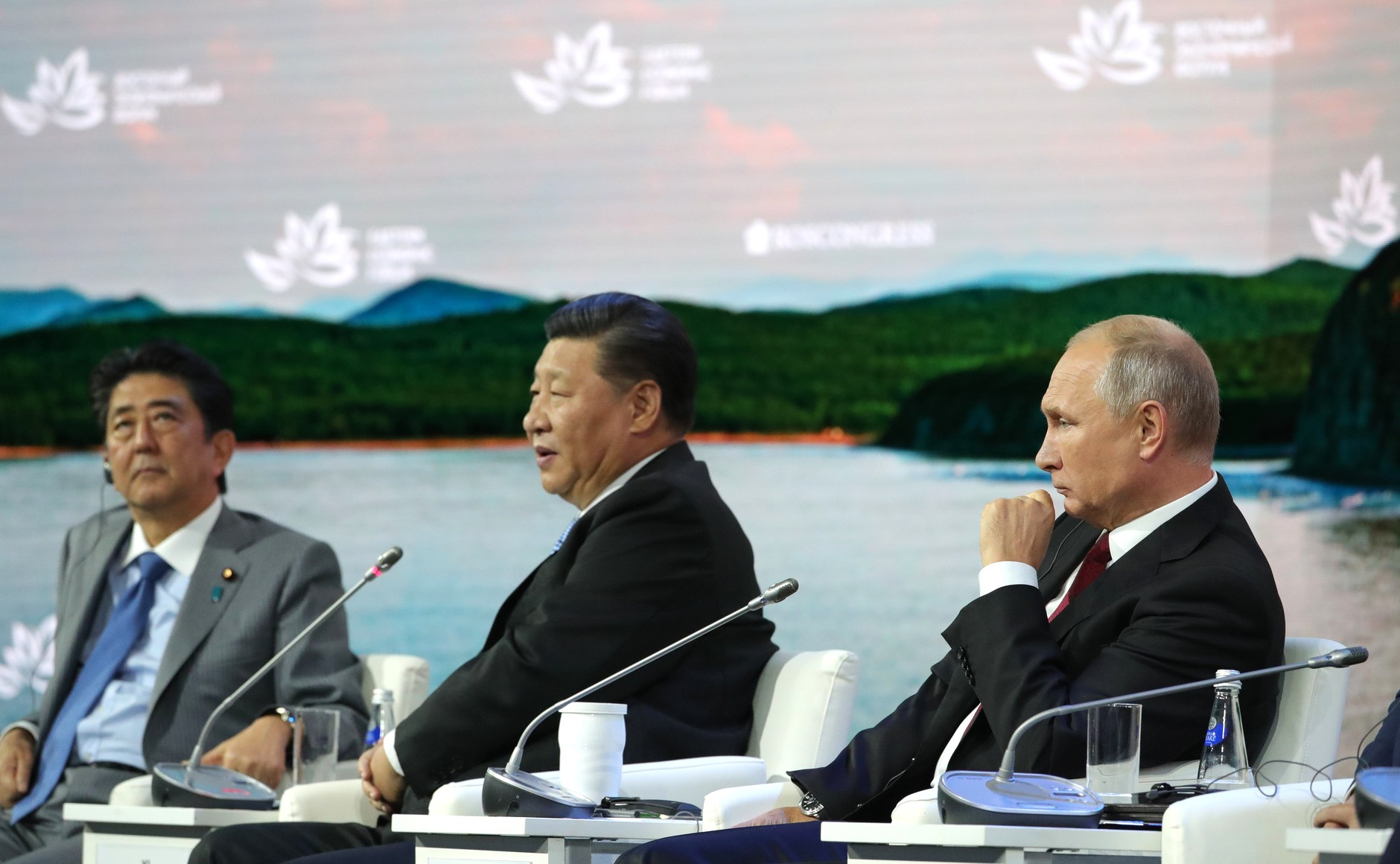
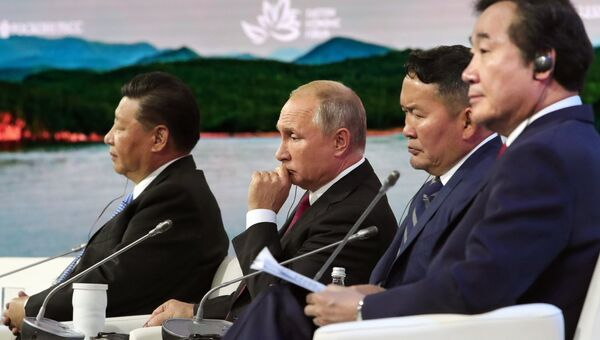
At that time, the leader of the PRC, Xi Jinping, put forward a fresh strategic initiative that radically changes the geopolitical landscape in the Asia-Pacific Region.
Xi proposed creating a "Sphere of the Economy of Shared Benefit of Northeast Asia" (东北亚经济共享圈) comprising five countries whose leaders arrived at the EEF. The PRC, Russia, Japan, Mongolia plus both Koreas – these are all the countries of Northeast Asia.
The geopolitical meaning of Xi Jinping's initiative is to tear Japan and South Korea out from under the dictatorship of the USA and to create in the northeastern part of the Pacific Ocean the Future of Shared Benefit (共享未来) of the Asian cycle of capital accumulation of the new era of the information society that has arrived.
Xi Jinping's call was not heard in Russia. The opportunity to seize the future as part of the five countries of Northeast Asia was missed by Moscow.
At that time, the friends of the US dollar and the champions of New Russia won in the Kremlin – lovers of London clubs, Paris boutiques, villas and yachts in Spain, Italy, the Canary Islands, the merrymakers of Courchevel...
Russia failed to "expand the boundaries of opportunities" in 2018. Now, in 2024 at the EEF, Russia has decided to "join efforts and create opportunities" in the Far East until 2030, no longer with Northeast Asia, but with India and the countries of the South Seas, without the technologically advanced Japan and South Korea.
If in 2018 a conscious historical turn of Russia to the East had occurred, if the clear progress in relations with Japan that was emerging then had not again been blocked by the heralds of the "yellow peril," – then by the decisive stage of the Third World War of a new hybrid type, Russia would not now find itself in strategic solitude on the rift between a hostile West and a hostile pro-American Far East.
It is noteworthy that EEF-2024 will begin on 3 September, when the peoples of the Asia-Pacific Region celebrate the day of Victory over Japan. The USSR was also a victor.
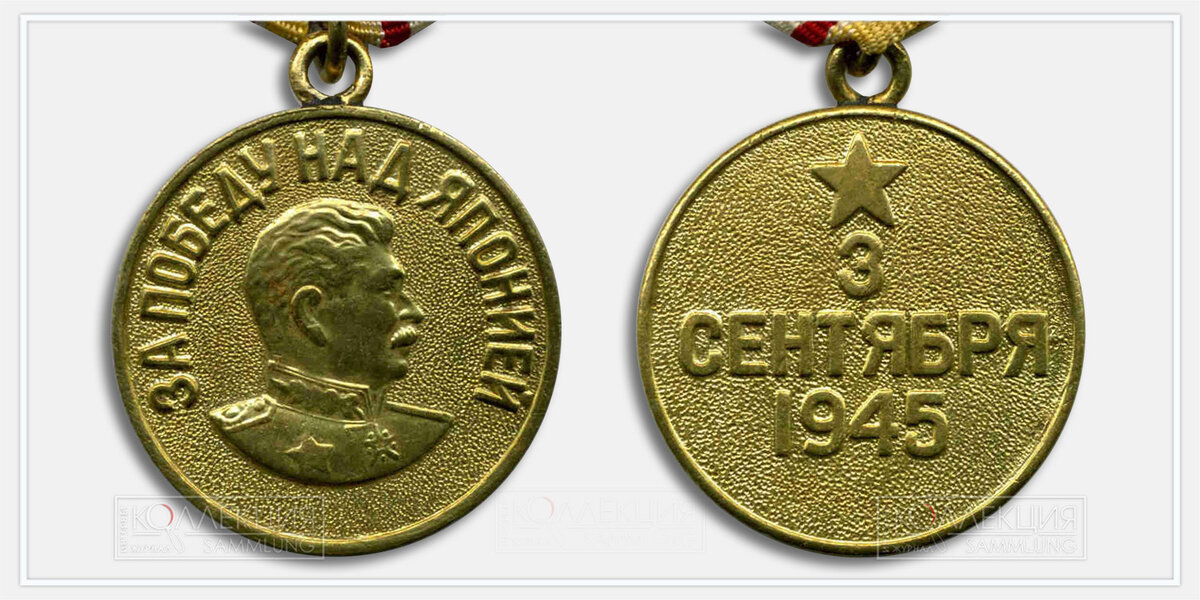
However, neither the Soviet leadership nor the leadership of New Russia managed to take full advantage of the fruits of the Victory over Japan. There was not enough common sense, political will, and resolve to go for a compromise in accordance with the spirit of the 1956 Soviet-Japanese Declaration on the cessation of the state of war.
What was at issue was the conclusion of a peace treaty with the Soviet side's promise to transfer to Japan the islands of Shikotan and the chain of the Habomai rocks.
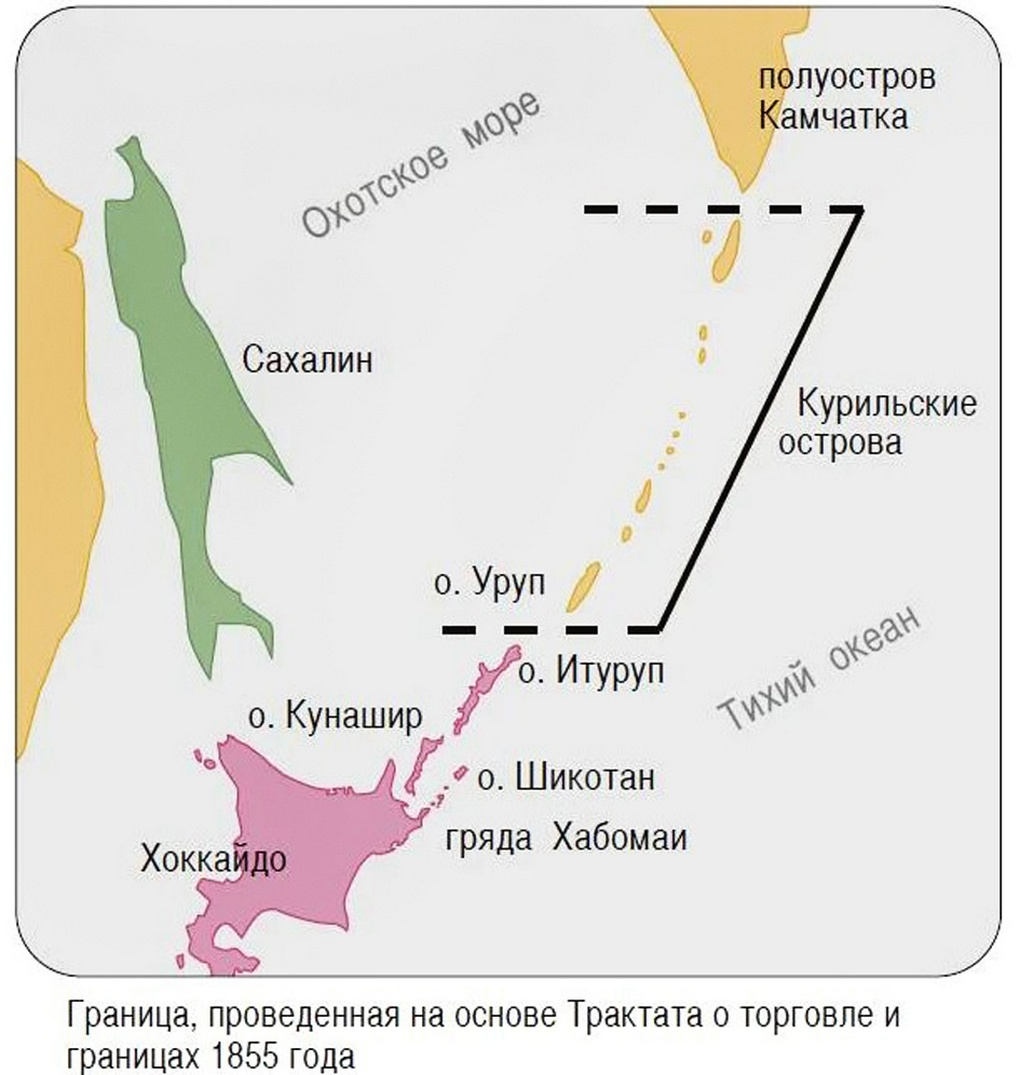
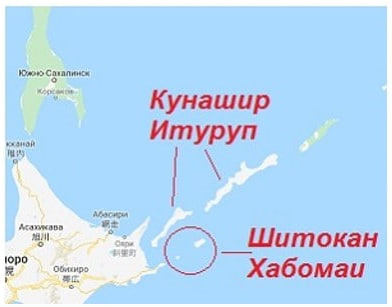
On 14 November 2004, on the eve of the visit to Japan of the President of the Russian Federation V. Putin, the Minister of Foreign Affairs of Russia Sergey Lavrov stated that the Russian Federation, being the successor of the USSR, recognizes the 1956 Declaration and is ready to conduct territorial negotiations with Japan on that basis. But their affair did not go smoothly.
Xi Jinping's 2018 proposal to create a "Sphere of the Economy of Shared Benefit of Northeast Asia" proceeded from the fact that, in the conception of Chinese sages, the core of Northeast Asia is the "advanced region" of Chinese Manchuria, which in its peaceful economic expansion draws into a system of ties Russia, Mongolia, Korea, and Japan.
Here it should be recalled that during WWII imperial Japan was building a "Greater East Asia Co-Prosperity Sphere» (Greater East Asia Co-Prosperity Sphere) of countries of non-Western civilizations.
A comparison of the hieroglyphic names of these "spheres of common good" of the Asian peoples of the East and North of the Pacific zone eloquently points to the common goal of uniting their forces and means into a common framework of confrontation with the "collective West." In essence, Xi was talking about an offensive against the "rotten Western democracies," now under the leadership of the "Red Dragon."
When Russia of the democratic choice quietly gave China the islands on the Amur and Ussuri rivers (including the blood-soaked Damansky Island) and now cannot stop rejoicing over relations "better than which there have never been" (hushing up the "Great Friendship" under Stalin and Mao), our overly zealous patriots, having launched a campaign of protest around a compromise fixing the territorial results of WWII with Japan, did everything possible to preserve disagreements and push Japan, out of revenge for defeat in WWII, into becoming an open enemy of Russia.
Be that as it may, the fate of Putin's Long State is now being decided in the confrontation with the collective West on the Ukrainian Theater of Military Operations, and therefore the EEF-2024 discussion platform merely covers the rear, distracts attention, and masks the main questions of global transformation with pseudo-successes.
Here it would be worth heeding the genius of Lenin: "Politics cannot but take precedence over economics. To reason otherwise means forgetting the ABC of Marxism."
Executed by Andrey Petrovich Devyatov No967 of 01.09.2024

Comments 17
Анонимный участник devyatov.su
" — Почему у евреев СПИДА не будет? — Потому что их никто не любит! "- иронически замечает макроэкономист Хазин.
Original · translation not yet available
Вадим Дурак.офф
Мы-это не евреи..
Original · translation not yet available
Анонимный участник devyatov.su
"А "мы" это кто?"- многозначительно спрашивает небополитик Девятов.
Original · translation not yet available
Вадим Дурак.офф
МозГОЙ конечно..) Повторюсь..Евреи, ведомые гордыней (своей избранностью внушаемой торой) существуют для того..чтобы гои развивались.Эволюционировали..Не стояли на месте..Это такой плюс из минуса.. В этом смысле..Зло во благо..Какой махач? надо спасибо сказать им..за науку.. Как бы каждый должен делать свою работу..Мы развиваться, они нас подгонять..Они кстати..свою часть работы делают хорошо..Дурят..сталкивают лбами..подкупают..соблазняют и так далее..Деньги и ложь их инструменты..А мы что??? лучше что ли?? Потому и расчеловечить легко..Нет внутреннего сопротивления (иммунитета) Связи с душой..которую не слышно.
Original · translation not yet available
Анонимный участник devyatov.su
Махаться стенка на стенку? Или мозгой перешибать?
Original · translation not yet available
Вадим Дурак.офф
прав насчёт целебного холокостирования === У Человечества, как всегда есть 2 варианта..Малой кровью (это когда разумные от народа выходят на передний план) и Большой (когда шир нар массы тупят и их жестко и вполне заслуженно за это холокостят).. Пока 2-й вариант более вероятен..Мы настойчиво идем по пути катастрофических последствий..возглавляемые еврейцами и их шестерками.. Ведь эта Игра идет давно..Когда есть праведники (скажем славяне) и их антиподы (еврейцы)..которые созданы, чтобы не дать первым стать ленивыми и перестать эволюционировать..Потому они их тормошат..вплоть до угрозы уничтожения..Но пока все не воспринимают это всерьез..а расслабно забивают..Мол фигня, не случится...от чего еврейцы хотят устроить всем лохокост с удвоенной силой..Они то верят..что обладают душой и реинкарнируют..в отличие от гоев..и им бояться нечего..б-га их сохранит..и сотрет только гоев. И вообще весь Мир построен для НИХ. В мире всего 15 млн еврейцев..Скажем только 5-10% из них ипанутые..Получается что всего 1 млн упырей..решает судьбу 8 млрдов..А почему? А потому что эти млрды пьют пивас..смотрят ток шоу или сериалы..и им на все плевать. Они развлекаются..А если не плевать, то они все равно не способны что-то поменять, самоорганизоваться..Цели нет и решимости..Предпочитают умничать (тешить Эго), а не работать на результат. Итог..Не уничтожать 1 млн.еврейцев, что уже было, а противопоставить им 1 млн разумных людей..которые смогли бы точно так же объединиться..Стать целым..Пока каждый толдычит что-то свое..и это какофония..А нужен хор, чтобы не было хоррора.
Original · translation not yet available
Анонимный участник devyatov.su
Ну таки я был прав насчёт целебного холокостирования...у мировом масштабе, так скать? В качестве превентивной меры,естественно..,чтобы избежать катастрофических последствий...с целью спасения человечества... Или нет?
Original · translation not yet available
Вадим Дурак.офф
Понравился последний видос от Ходоса..https://t.me/hodos2019/331 Хабадники считают своими такие гос-ва как США..Израиль..Украину и Японию! т.е чуйка не подвела..Япония нужна именно на роль врага РФ..Это во многом их (хабадских антиХристов) задумка..атаковать РФ с разных сторон..Причем желательно, чтобы РФ первой начала (спровоцировать)..а потом закидать ее ядеркой..с 4-х сторон.. 01:53:41 "Великое еврейское княжество" на территории России, Украины и Белоруссии. Необязательно сей план сбудется..но секта хабад очень этого хочет..в рамках встречи своего мойши аха..ну и само собой создания своего княжества..от Князя Тъмы..которому они служат.
Original · translation not yet available
Гриб Ник
"Площадь островов на Амуре, которые РФ сдала КНР — 380 кв. км. Площадь о. Шикотан и камней Хабомай — 330 кв. км. . . . " Баранья шапка умалчивает, что острова на Амуре расположены с китайской стороны линии середины русла и по принятым правилам должны относиться к Китаю. При передаче Японии о.Шикотан и пр. Охотское море из внутреннего моря России превращается в международное со всеми вытекающими. Правда всегда горькая!
Original · translation not yet available
Eagle
А сколько триллионов растащили "яйцеголовые"... СюрПризы из АП..?! Вероятно не меньше чем в МО... Да Россия действительно Великая страна..! Сколько сотен лет её всё обворовывают и обворовывают...а она всё держится и держится!
Original · translation not yet available
Анонимный участник devyatov.su
АП: "Так на каком базисе в отношениях с Японией кремлевские могли бы из врага сделать друга?" "Вот и ВЭФ-2024 проводят не с соседями, а с Британской Индией. Это ли не «успех» дипломатии Лаврова — Ушакова?" После того как кремлёвские, сперва подспудно-гибридно (тихой сапой) с 2004 года, а затем и открыто явно в 2022 году организовали кровавую агрессию на земли миролюбивого и когда-то дружественного соседа (унёсшую уже более миллиона жизней с обеих сторон), Москва-Кремль-б/уПутин отвернули от себя все адекватные (демократические - что бы под этим не понималось) страны и здравомыслящие народы. В подобии (скорее: имитации) дружбы остались лишь страны с явно выраженными авторитарными и тоталитарными режимами. А потому нет и быть не может экономического БАЗИСА который сделает ДРУГОМ экзистенциального ВРАГА... врага всему живому, коим обратилась и явно предстала всему миру путинская кровожадная людоедская эРэФ-ия, бомбящая роддома и больницы, школы и детсады, торговые и спорт комплексы, гражданскую жизнеобеспечивающую инфраструктуру, караваны с зерном etc... и с восторгом смакующая "это всё" на своих государственных ТВ-каналах... эРэФ-ия, готовая разорить и уничтожить не только соседей, но всё живое на Земле (кремлёвский упырь, в бытность ещё "до морозильника", как-то открыто "кинул предъяву" всему человечеству: "Зачем нам такой мир, если в нём не будет России (читай: МЕНЯ-упыря)") . Западные (и восточные) демократии не быстро, неравномерно и с трудом выпутываются из сетей и удавок галимых ИНТЕРЕСОВ (т.с. экономического базиса), в которые их, казалось бы окончательно, посадили и запутали в том числе и кремлёвские и китайские "братушки" (корумпировав западные элитки, к примеру: путинский Газпром, использовавшийся в качестве политического рычага давления на страны Европы - яркое тому свидетельство), вспоминают и возвращаются к ЦЕННОСТЯМ (жизни, творчества, личной свободы, гражданским правам etc...) Нынешние кремлёвские - это политические (да уже, пожалуй, и физические) ТРУПЫ. Они - ВРАГИ всему цивилизованному человечеству и друзьями уже никогда и никому (кроме, пожалуй, таких же убийц-людоедов) быть НЕ СМОГУТ.
Original · translation not yet available
Вадим Дурак.офф
Видимо, если РФ отдаст спорные острова Японии..это может не понравится Китаю..которым рулят красные вРотшильды..Потому и не отдают..Команды сверху (от закулисы) не было..Япония сейчас..шестерка США..и они оба, все еще пока синие (условно Рокфеллеры).. Китаю то все отдали по тихому..так как РФ подкладывают под Китай..тогда как выход из под гегемона США..выдают за самостоятельность и Независимость..что полная фигня..если посмотреть на цифровизацию..участие в ВОЗ и так далее..(проследить все глобальные штучки) видно же..что на уровне пастухов у них все гладко..а все конфликты на публику-это для стада..чтобы всем было понятно..почему с ними так поступают..Тут враг..тут друзья..Всех делят на своих-чужих..якобы на благо стада.. Япония все еще нужна на роль врага..тогда как скоро ей самой понадобится дружба с РФ..чтобы спастись от вымирания. (нападок Природы в стиле Фокусимы) Уже сейчас Япония становится проблемой для пирамиды доллара. (один из источников будущего мего финанс кризиса) Тогда то и начнут дружить с РФ..когда захотят в БРИКС, а $ пирамиду порушат..Японцы сами пойдут на поклон..что логично, если машиах будет родом из РФ...и сама она станет Новой базой для аристократии..
Original · translation not yet available
Андрей Петрович Девятов
Площадь островов на Амуре, которые РФ сдала КНР — 380 кв. км. Площадь о. Шикотан и камней Хабомай — 330 кв. км. Отношения конфронтации с Китаем (о. Даманский) урегулированы (а ведь какой был накал вражды). Отношения с Японией — нет. Как народ Японии может любить Россию, когда ему в уши дуют про оккупантов Северных территорий. Я не думаю, что ПБ ЦК КПСС в 1956 г. состояло из полных идиотов. Но геополитики США переиграли кремлевских на японском направлении — на долго сделали Японию врагом СССР. Вот и ВЭФ-2024 проводят не с соседями, а с Британской Индией. Это ли не «успех» дипломатии Лаврова — Ушакова?
Original · translation not yet available
Андрей Петрович Девятов
Так на каком базисе в отношениях с Японией кремлевские могли бы из врага сделать друга? АСЬ?
Original · translation not yet available
Анонимный участник devyatov.su
АП: "Здесь стоило бы прислушаться к гению Ленина: «Политика не может не главенствовать над экономикой. Рассуждать иначе – значит забывать азбуку марксизма»." Но ещё хуже (просто беда) - забывать ленинское же: "Политика - это концентрированное выражение экономики". А также забывать и то, что любая надстройка (в том числе и политическая) не может быть оторвана и существовать без ОСНОВЫ (основания) - экономического БАЗИСА... Забывать марксистское же: БАЗИС - ПЕРВИЧЕН, а НАДСТРОЙКА - ВТОРИЧНА. И пытаться влезть в экономику со "своим главенством" - чисто политическим, идеологическим или морально-религиозным РЫЛОМ (как, что в современной постпутинской эРэФ-ии, что в "китайской специфике" товарища Си, что в идее чучхе - опоры на собственные силы - северокорейской "династии" национал-коммунистов Ким-ов, что в религиозном бреде и дурмане "бородатых мужиков в шапках" современного Ирана... etc...).
Original · translation not yet available
Вадим Дурак.офф
Маркс пришёл к выводу, что неограниченная конкуренция приведёт к относительно быстрой монополизации экономического и политического рынка. В условиях тотальной монополии сросшаяся с государством сверхкорпорация утратит стимул к максимизации прибыли: нет конкурентов — нет смысла в движении. Но именно стремление к максимизации прибыли определяет капитализм, является его родовой чертой. Значит, сделал логичный вывод Маркс, с созданием сверхмонополии капитализм умрёт. === Мы сейчас находимся как раз на этом этапе..Создания сверхмонополий+скрещивания их с гос-вом..(На примере с Дуровым..телегу хотят скрестить с каким то гос-вом..типа Франция попыталась) Скажем капитализм умер..Что дальше? Для того и сохраняют коммунизм в Китае и Сев Корее..и возможно создают национал-социализм в РФ ( общество избранных, что по Марксу есть Высокосознательное общество, скрестив Человека или с ИИ или с условным Богом)..как некие альтернативные варианты..чтобы понять куда идти дальше..по какому пути, когда капитализм на самом деле упрется в пределы роста (пока этого не произошло..вояшка помогает все порушить, чтобы потом опять строить заново..продлевая ресурс капитализму) Капец капитализму постоянно оттягивают..потому как на самом деле не знают..а как жить дальше? Не один из предыдущих экспериментов (коммунизЪм в СССР или фошизм в Германии) не дал четкого ответа..какая из этих форм однозначно лучше..вот и решили видимо..создать некий микс из них..в рамках цифро-концлагеря. (новых технологий)..собрав все лучшее (выжимку из них)
Original · translation not yet available
Вадим Дурак.офф
Если план глобалистов..Новый Вавилон осуществиться..то будет как в СССР..Неважно какое там было гос-во или кому что принадлежит..Живу, где хочу..Стирание границ между религиями..полами..нациями.. Или, если на самом деле нам грозит повышение уровня воды в океанах..тогда вообще неважно, есть договор с Японией или нет..Она просто уйдет под воду..вместе со спорными островами..Сама попросится в состав Сахалина..) ибо китайцы и корейцы их (японцев) пустят на суп из собак..(Карма)
Original · translation not yet available